Missing pieces or exposed layers
A lifted shingle or displaced flashing can leave a direct rain path. Assess the opening, the neighboring material and the supporting layers so a repair can reconnect to sound roofing.
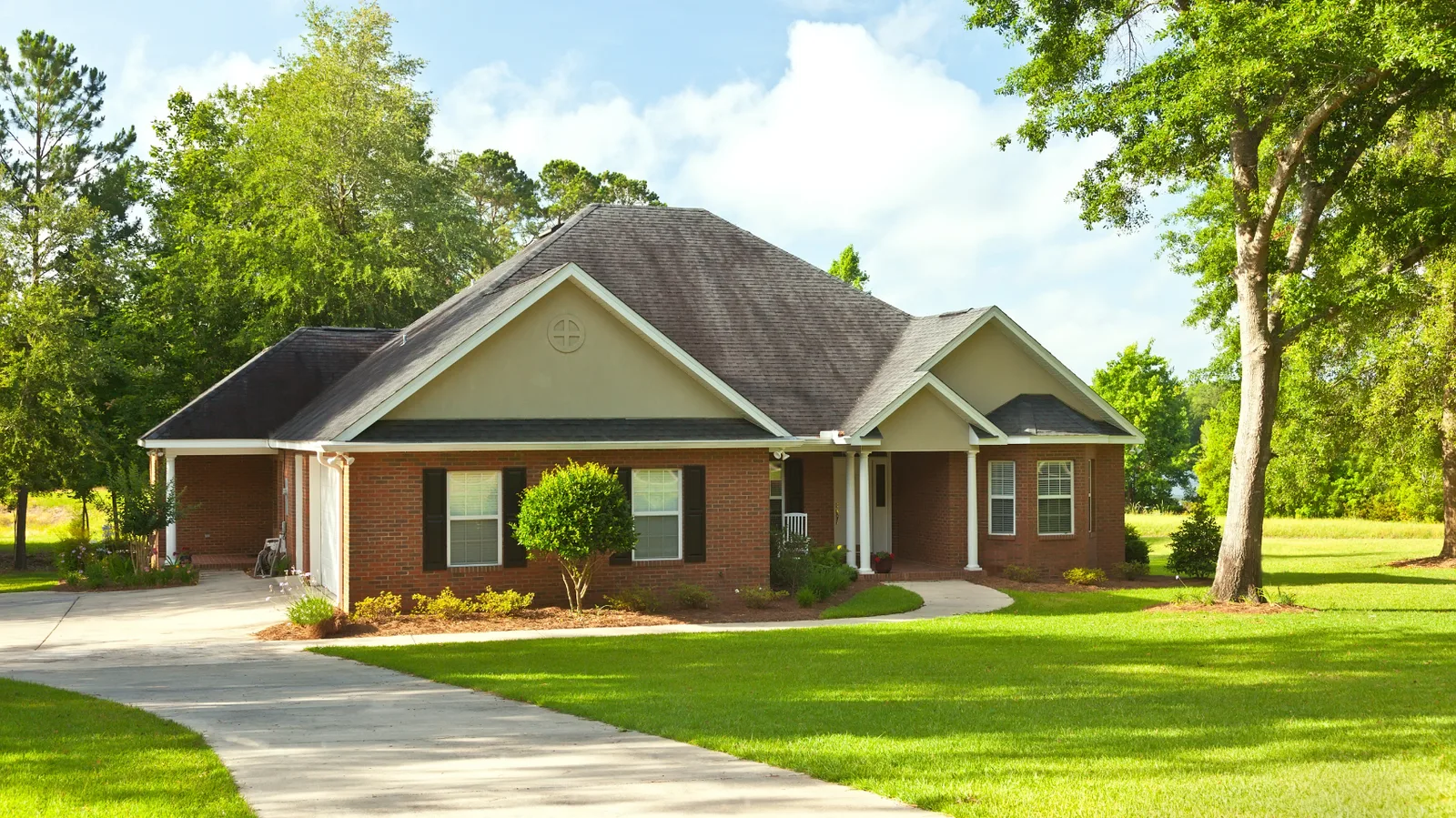
Shingles missing after wind, a new leak or a concern after hail? Get the roof checked and separate the protection you need from the permanent work.
A storm can disturb the covering, flashing or roof edges while leaving much of the roof looking familiar from the ground. Missing shingles make an opening visible. Creases, lifted connections and impact damage can need a closer assessment before the work is understood.
Start with what changed: water in a room, material on the ground or a concern about a storm that passed through. We help Farmington owners get the actual roof condition checked with a free inspection and roof walk when conditions allow.
If there is an active opening, temporary protection may be needed before the permanent scope is settled. Stay clear of downed lines and unstable areas, and use emergency services for an immediate safety threat. Roof access waits for safe conditions.
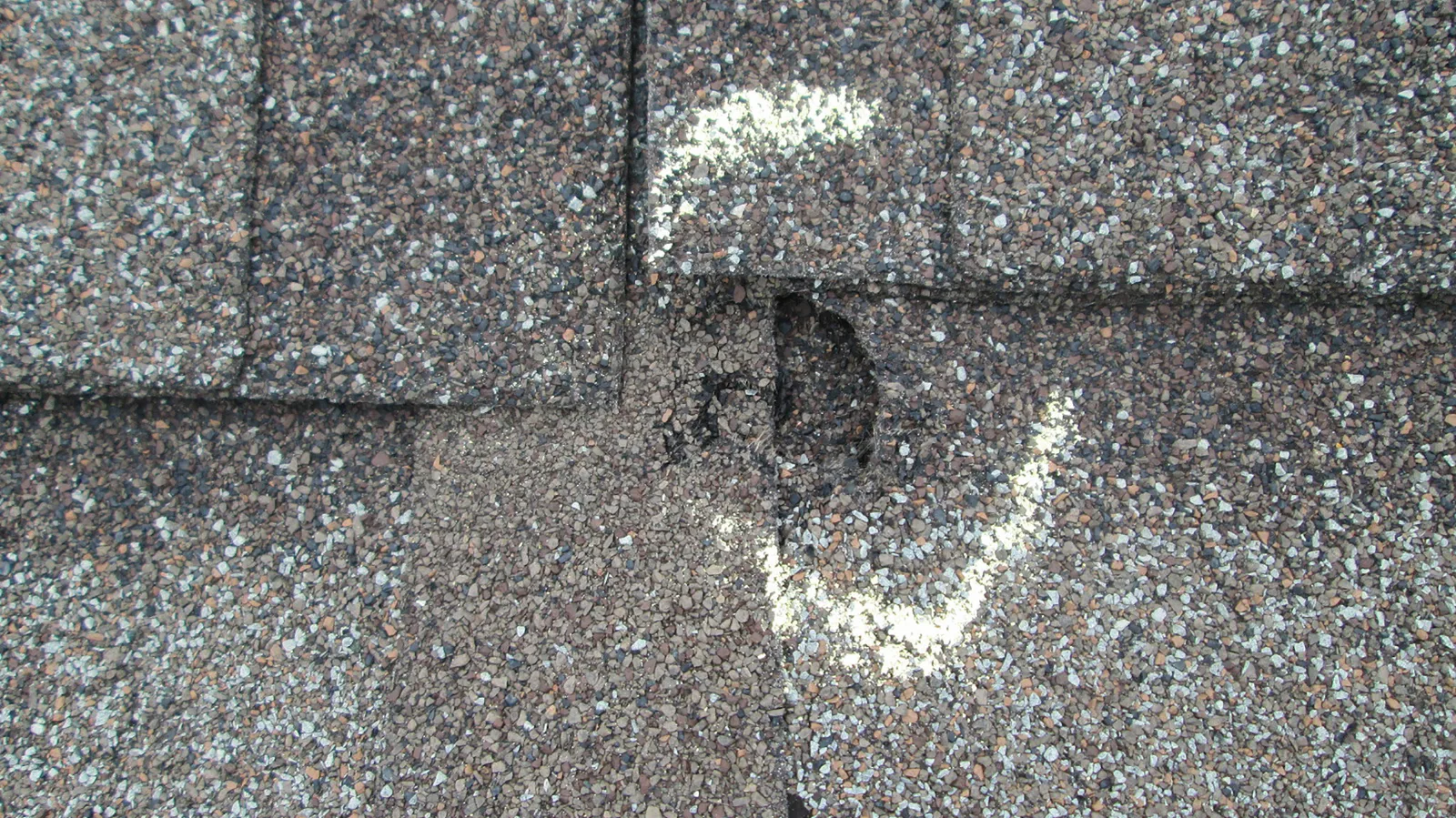
Observed damage establishes what to inspect; it does not decide the whole repair from the yard.
A lifted shingle or displaced flashing can leave a direct rain path. Assess the opening, the neighboring material and the supporting layers so a repair can reconnect to sound roofing.
Hail can affect the shingle surface and underlying mat; wind can crease tabs or disturb fasteners and edges. The inspection needs to distinguish actual functional damage from marks, ordinary wear or unrelated old repairs.
Temporary covering helps reduce further exposure while the permanent work is planned. It still needs appropriate fastening and safe access, and it does not establish that the roof has been fully repaired.
A defined repair can restore damaged shingles or a flashing detail when adjoining materials are workable. Damage over several slopes, brittle remaining material or affected underlying layers can change that scope. The reason for a larger proposal should be clear.
The roof repair page explains repair boundaries. Replacement needs its own assembly proposal, including removal, decking and water-shedding connections.
Discuss active water entry and the immediate exposed area.
Establish the observed roof condition and the extent of accessible damage.
Choose a supported repair or replacement scope with the parts and limits explained.
The roofer assesses roofing conditions. Your insurer applies your policy to the claim and decides coverage and payment.
Keep safe photographs of what you noticed and record when the change occurred. You do not need to climb onto the roof to collect evidence.
Ask about the policy process, any required documentation and applicable deadlines. Do not assume every storm-related mark is covered.
The roofing scope should explain the damage and required repairs. Clarify differences between the proposed work and the insurer estimate before authorizing a project.
Yes. Damage to the covering does not always produce an immediate indoor leak. A closer assessment can establish what was affected and whether repair is needed.
No. Repair extent depends on the damaged sections, the supporting layers and how new work can connect to remaining material. A broader replacement needs its own condition-based explanation.
The insurer decides under the actual policy, deductible, exclusions and claim facts. An inspection and roofing proposal do not guarantee coverage or payment.
The assessment should consider the condition and location of observed damage, previous repairs and existing deterioration. The date of a storm alone is not proof that it caused every roof defect.
Share the property location and what you noticed. Mention active water entry so protection can be discussed alongside the inspection.