After wind or hail
The first concern is safe protection and the extent of observed damage. Missing shingles, exposed layers and damaged flashing need assessment; an insurer separately decides any coverage and payment.
Get storm roof damage checked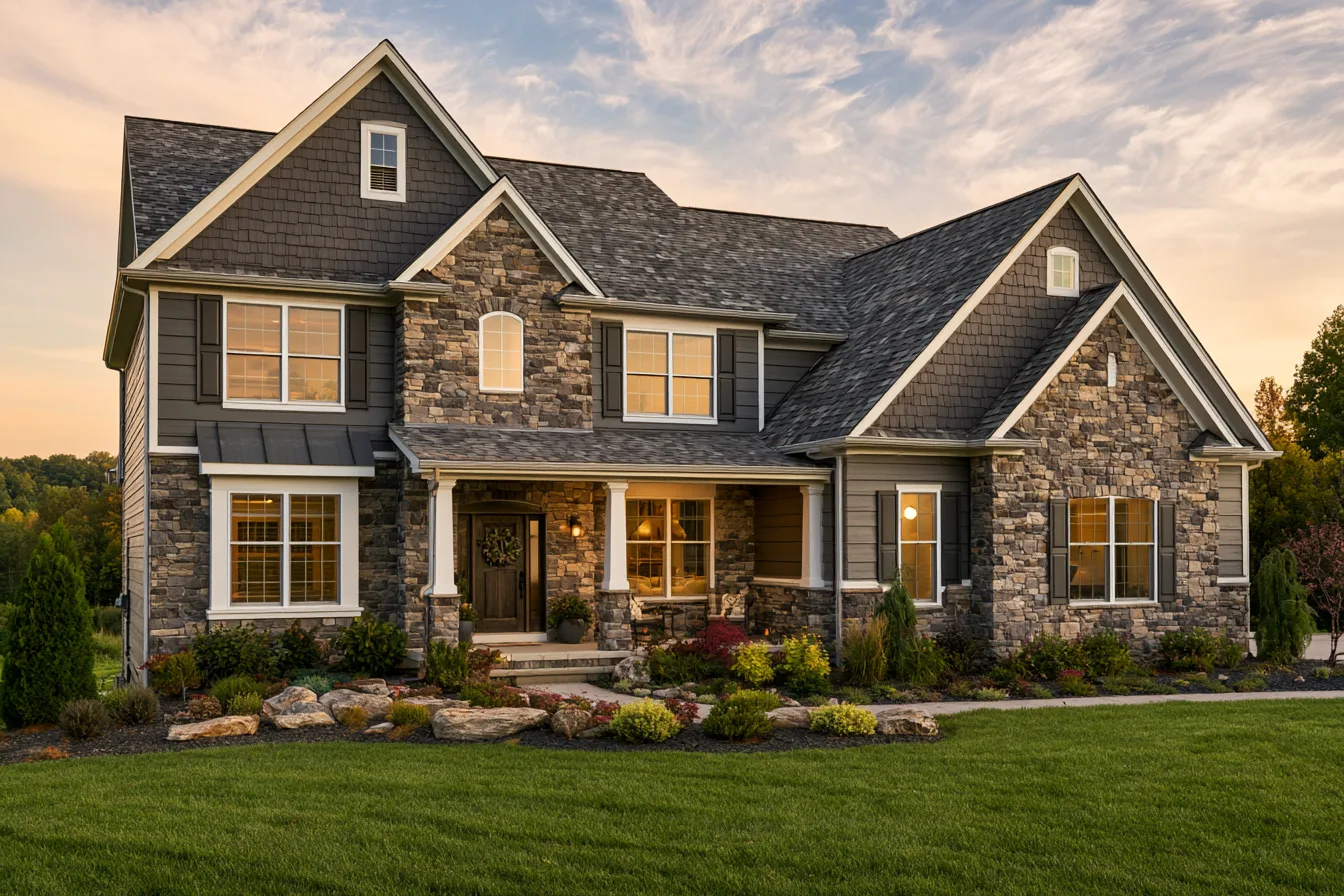
Find help for the roof you have, from a specific leak to a new roofing system. We explain the work before you choose the next step.
The right service starts with the roof concern. A stain after rain calls for tracing a water path. Worn covering across several slopes calls for a broader condition assessment. A roof for a new build needs the material, pitch and flashing details settled before installation.
You can ask for a free inspection without deciding the job in advance. We look at what is accessible, connect the findings to the problem and explain the practical scope. An inspection does not mean replacement is the answer.
Start with repair and the roof detail that failed.
Discuss replacement alongside any workable repair.
An inspection helps with a purchase, maintenance or project decision.
These services answer different questions. The physical roof condition connects them.
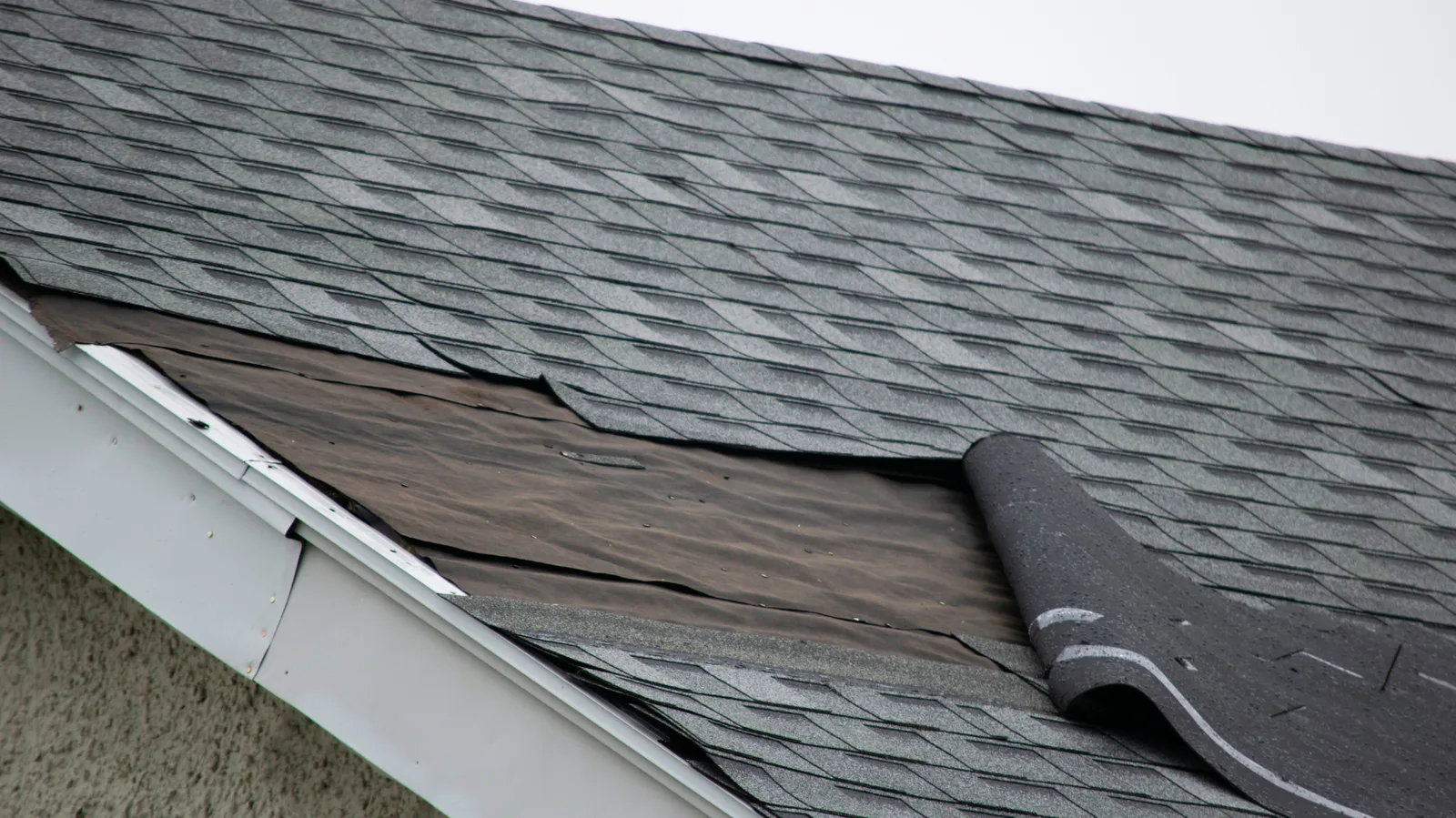
A repair restores a failed part of the roof while keeping sound adjoining materials. That can involve a vent boot, wall flashing, a valley or shingles lifted by wind. We trace the likely entry rather than treating the room’s stain as the roof location.
Damaged decking, brittle shingles or failed connections can widen the opening that needs repair. The proposed work should explain where the repair stops and why that boundary is sound.
See roof repair work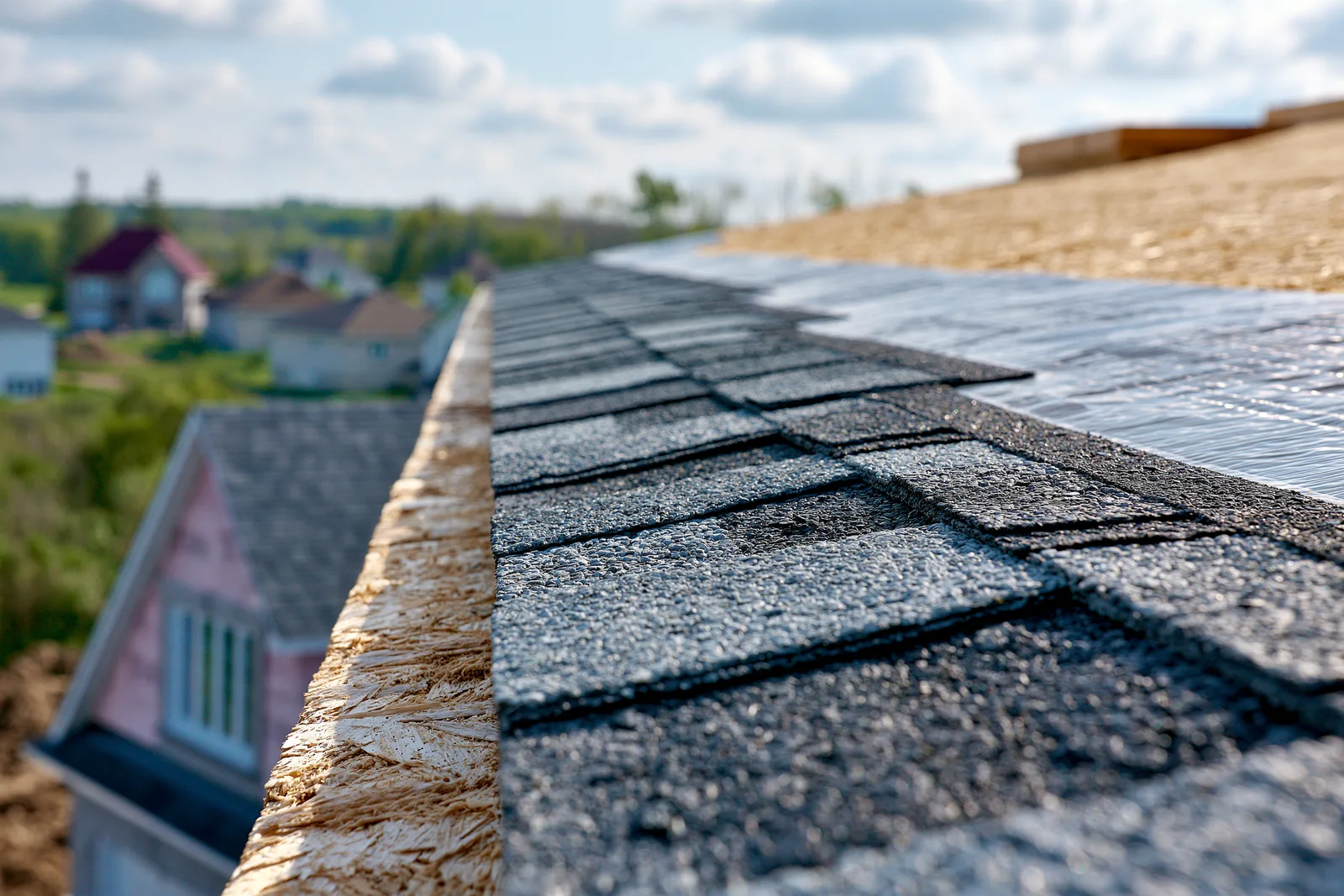
Replacement gives the roof a new covering and an opportunity to address its supporting details. Tear-off exposes the deck; underlayment, flashing, ventilation and edges need a coordinated installation rather than a price for shingles alone.
Material choice matters, but so do roof geometry, old layers, access and damaged wood. A useful proposal sets out the included work and how any concealed condition will be priced.
Plan the replacement scope
An inspection gives a closer view of the roof before you commit to work. The roofer checks visible covering and connections, drainage paths and relevant ventilation details, with a roof walk when safe.
A surface inspection has limits. It cannot show every concealed layer or establish an exact remaining life. The value is understanding the observed condition, the unresolved parts and what next step makes sense.
Explore a free roof inspectionBoth need attention to the complete roof, but their starting decisions differ.
The first concern is safe protection and the extent of observed damage. Missing shingles, exposed layers and damaged flashing need assessment; an insurer separately decides any coverage and payment.
Get storm roof damage checkedPlans should account for the roof pitch, material, drainage, ventilation and transitions at walls or additions. Coordination with the builder keeps those decisions connected to the framing and dry-in sequence.
Discuss new construction roofingA building owner needs more than a membrane name. A useful commercial roof scope explains the leak source, condition of adjoining material, insulation and drainage, and whether repair, restoration or replacement is workable.
The building’s use changes the plan. Rooftop units, tenant entrances, loading areas and interior protection need attention before materials are staged or the roof is opened. Tell us about the building and the operating concerns you already have.

The next step should make the project clearer.
Tell us what happened, what the roof is used for and any existing project deadline.
A closer look establishes visible damage and the conditions that control the options.
Review the proposed scope, allowance for concealed work and material or access choices before deciding to proceed.
No. Describe what you’ve noticed and where the property is. A roofer can assess the concern and explain whether repair, replacement or another next step fits.
Yes, tell us which structures or roof sections are involved. The pitch, material and connections can differ from the main house, and those details need their own assessment.
No. The extent of damage, the remaining material and the connections beneath it determine the work. An insurance decision is separate from the repair recommendation.
Share the roof concern and the property location. We’ll help you get the condition and options explained.