Manufacturer material coverage
A product warranty generally addresses the covered manufacturing defect under its terms. Eligible products, installation, exclusions and any registration requirements affect the actual coverage.
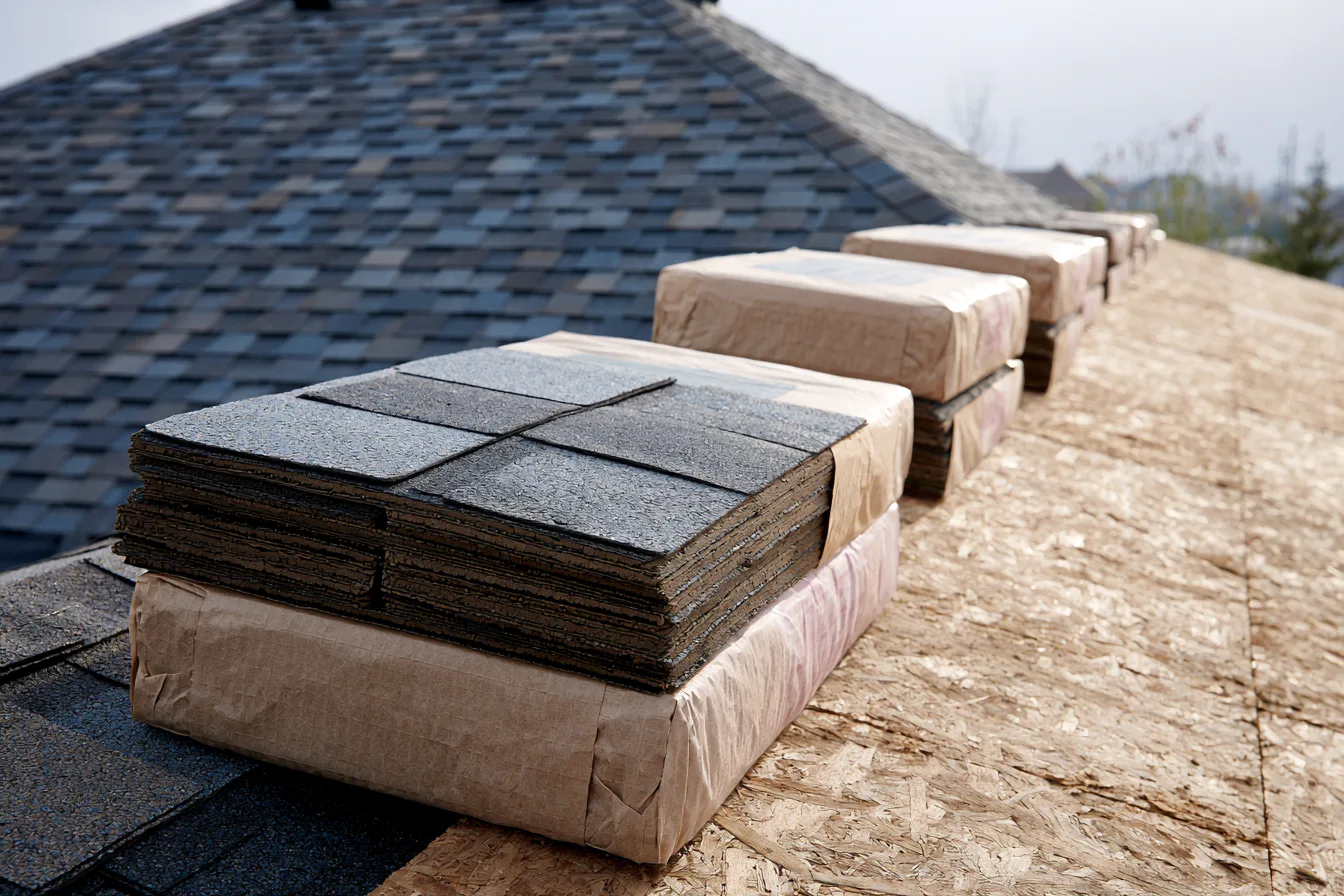
Know which roofing problem each written warranty addresses and how the coverage connects to the actual installation.
A warranty is easier to understand when you know who offers it and which problem it covers. Material defects, installation workmanship and storm damage are different questions.
Before the roof work is agreed, discuss the actual written terms offered for the chosen product and project. We help put those questions alongside the installation scope so coverage is understood in context.
The issuer and written coverage determine who handles a problem.
A product warranty generally addresses the covered manufacturing defect under its terms. Eligible products, installation, exclusions and any registration requirements affect the actual coverage.
Installation terms come from the party offering them and address the stated roofing work. Discuss the covered work, exclusions, claim contact and remedy separately from the material warranty.
Settle the details for the actual product and contractor agreement.
| Written detail | What it establishes |
|---|---|
| Issuer and contact | Who offers the coverage and who receives a claim. |
| Covered problem and remedy | Which failure is covered and what repair, material or other remedy is provided. |
| Term and changes over time | How the period, limits, proration or labor coverage apply. |
| Eligibility and documentation | Product, installation, qualification or registration conditions and the records to retain. |
| Transfer and exclusions | Whether a later owner can receive coverage and which weather, alteration or maintenance conditions are excluded. |
Product coverage can depend on correct installation and the required assembly details. Fastening, underlayment, flashings, accessories and ventilation should be discussed with the selected roofing system, not only with the warranty label.
Later changes can affect both the roof and coverage. A new opening, equipment installation or incompatible repair can alter the original detail. Discuss proposed changes with the responsible contractor and the actual written warranty terms.
Keep the project agreement, product identification and warranty documents together. If a problem occurs, the issuer needs enough information to identify the covered product or work and follow its claim process.
Know the covering and required assembly details.
Retain the written agreement and actual coverage documents.
Consider how an opening, alteration or repair affects existing details.
No. A leak may involve installation, damage or another excluded condition. The covered problem, issuer and remedy in the written terms matter alongside the period.
No. Impact classification is a product test result. Warranty treatment of hail or other weather damage comes from the actual written terms.
Discuss the named issuer, covered installation work, term, exclusions, remedy and claim contact. Keep the actual written terms with the project agreement.
Manufacturer documents explain their own product and coverage options. For an example of that distinction, see Owens Corning warranty information. The project’s selected product and eligibility still control.
Tell us about the replacement or repair you are considering. Put the material, scope and applicable coverage questions into the same conversation.