Good roofs start with a closer look.Free inspections in Farmington
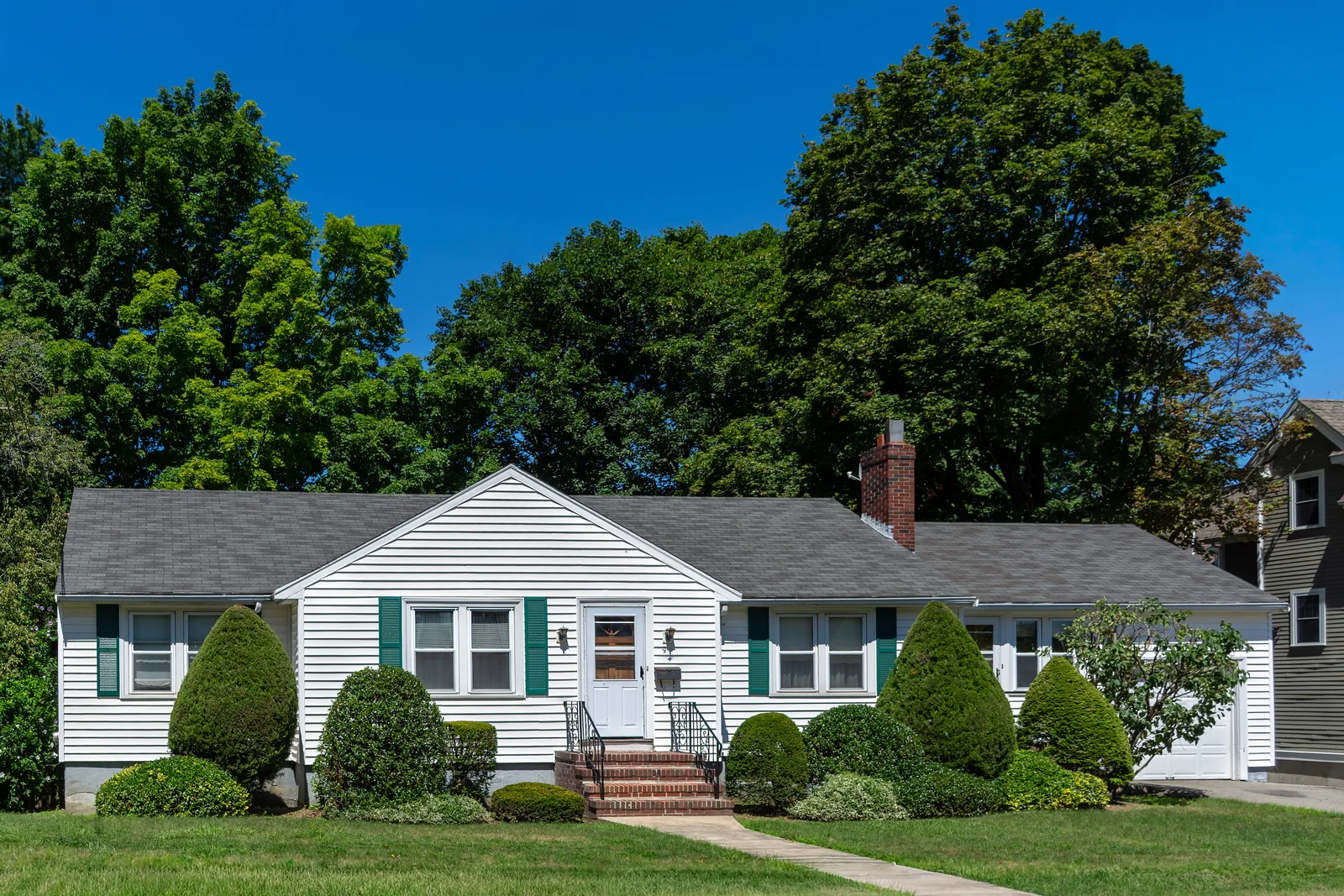
White house with dark asphalt shingle roof and brick chimney
Home/Roof Repair

Roof repair in Farmington, AR

A roof repair needs to close the opening rain uses and connect to sound material around it. Start with a free inspection of the problem.

Good roof decisions start with the details.
Free roof inspections Repair and replacement help

Request a free roof inspection

Tell us about the property and what you need.

Repairing the roof opening that lets rain in

A leak beside a wall or roof vent is more than a spot to cover. Water can enter at the joint, pass beneath the covering and follow the wood until it reaches a room. The repair has to address that entry and the layers that carry water safely down the roof.

We assess the likely path and examine the detail where it begins. Loose flashing, a torn vent collar and wind-damaged shingles require different work. The condition of the adjacent covering and the deck determines how far that work needs to reach.

Tell us where you noticed water and when it began. We’ll handle the roof assessment. If water is coming in now, say that when you call so temporary protection can be discussed as well as the permanent repair.

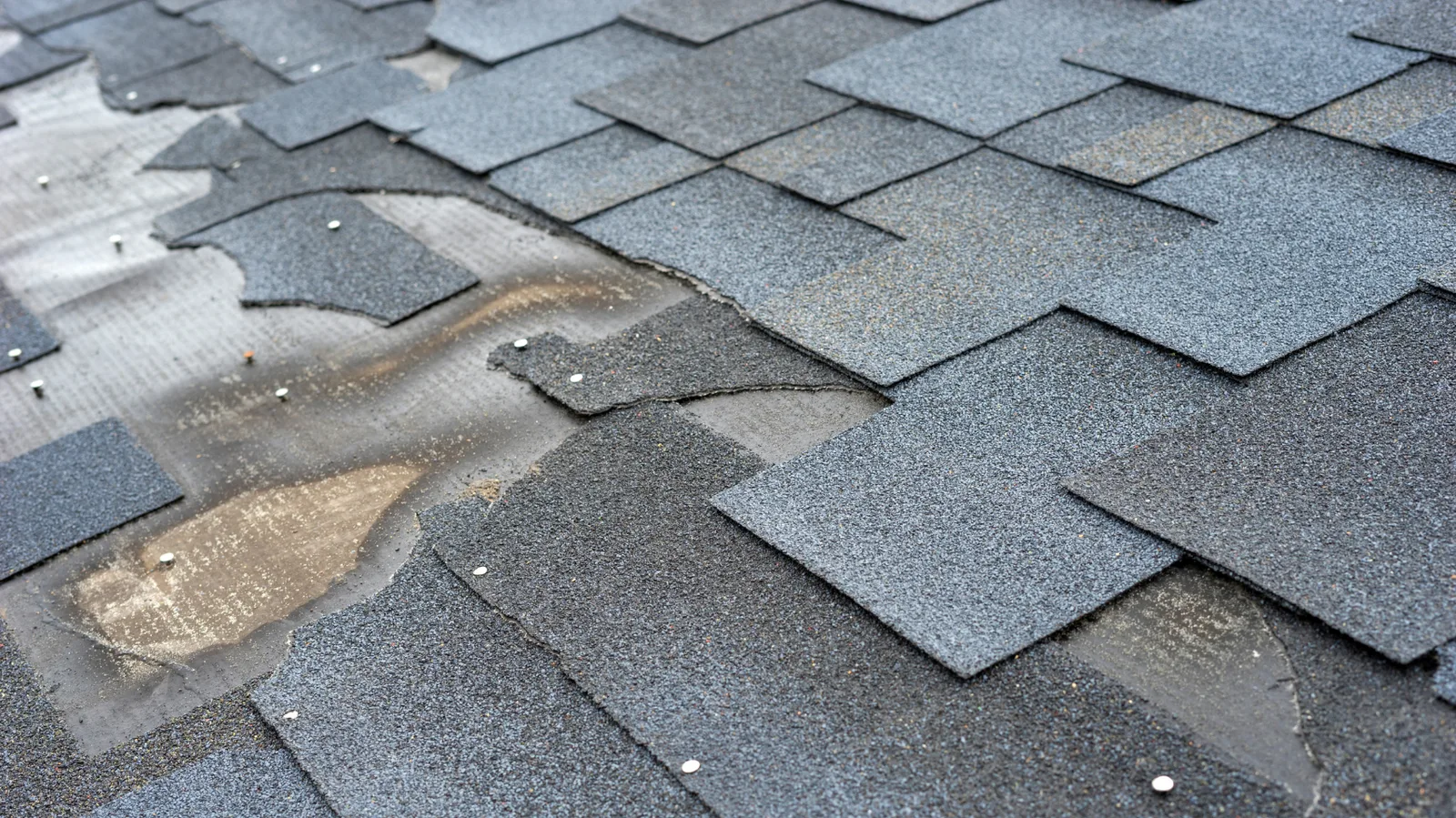
Torn shingles exposing underlayment on a gray asphalt roof slope

Roof leak repair around flashing and penetrations

Flashing bridges places shingles cannot cover by themselves. At a wall or chimney, the metal pieces need to overlap with the roofing so water sheds outward. A gap, loose edge or poorly connected patch gives rain a way behind that system.

Around a plumbing vent, the collar seals against the pipe while the base connects to the roof. A cracked collar needs the boot and its surrounding layers checked; smearing sealant over a split does not explain the condition beneath it.

A repair proposal should identify the failed part and the adjoining work it needs. If the roof has several unrelated leaks or wider deterioration, the replacement scope helps make the bigger decision clear.

Details that change the repair

  • Flashing at a wall or chimney

    Check the metal laps, the wall connection and how the shingles meet them.

  • Vent boots and roof openings

    Check the collar, base, nearby fasteners and underlayment connection.

  • Valleys and roof edges

    Restore a clear water path and sound layers where runoff collects.

What changes the roof repair scope

The repair needs workable boundaries. A small exposed defect and a sound roof around it are different from a defect surrounded by deterioration.

Localized damage with sound adjoining material

A few missing shingles or a failed boot can be a defined repair when the surrounding shingles lift without breaking and the flashing and deck remain sound. The replacement pieces still need to fit the existing system and fastening requirements.

Damage in adjoining or concealed layers

Soft decking, deteriorated underlayment or brittle covering can widen the repair. Opening the affected section reveals what must be restored before new material goes back. Widespread deterioration deserves a repair-versus-replacement comparison, with the reason explained.

Replacing damaged shingles with sound connections

A shingle repair has to restore the overlapping courses and fastening, not simply put another piece over the hole. Loose tabs, creases and tears need inspection of the affected area and its neighboring material.

Matching the appearance can be limited when a product is discontinued or the existing roof has weathered. The repair still needs a suitable product and sound water-shedding connections. Appearance, repair extent and the remaining roof should be discussed together.

If damaged wood is found beneath the covering, it needs a sound repair before that section is closed. A proposal can describe how additional decking work is approved and charged without pretending all concealed conditions are known from the yard.
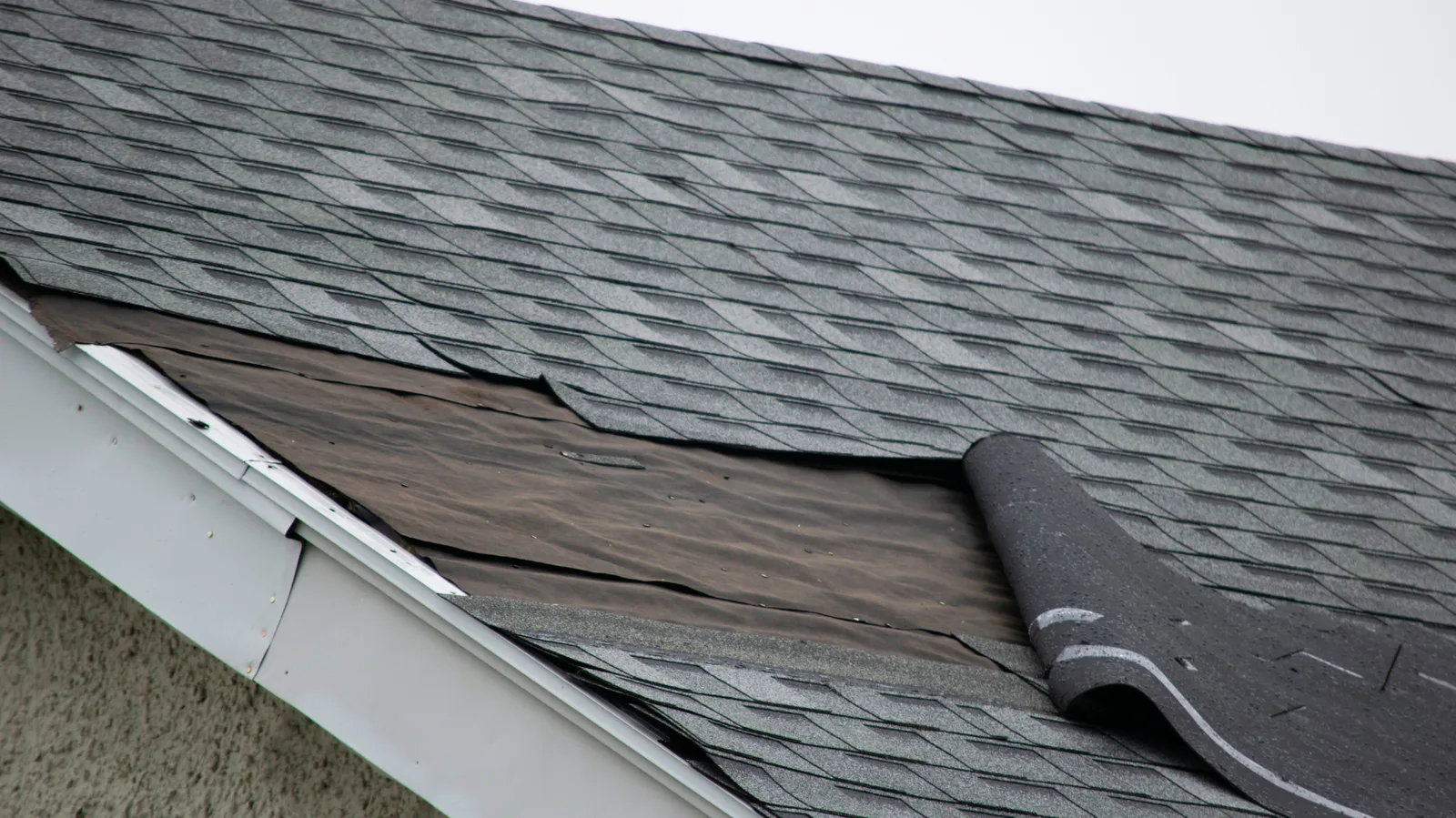
Shingles torn away exposing underlayment and nail heads on a roof

Roof repair from protection to completion

Temporary protection and a durable repair serve different stages of the job.

1

Protect safely when needed

An exposed opening or active leak can need temporary covering. Roof access waits for safe conditions, and temporary protection still needs a permanent repair plan.

2

Define the failed detail and repair boundary

Assess the covering, flashing and supporting layers. Explain the parts to replace or reconnect and what opening the roof may reveal.

3

Restore and check the affected roof section

The work should leave sound laps, fasteners and drainage through the repaired area. Discuss any remaining wider condition rather than treating one patch as a verdict on the whole roof.

Roof repair FAQs

Can a few missing shingles be repaired?

Yes, when suitable replacement shingles can connect to workable adjoining material and sound supporting layers. Brittle shingles or damaged decking can widen the work beyond the pieces visible from the ground.

Will sealant around the leak be enough?

It depends on the failed detail. Sealant can be part of a specified repair, but it does not replace loose flashing, a torn boot or damaged roofing layers. We check the connection before recommending the work.

Why can a leak appear away from the opening?

Water can follow decking, a rafter or a roof junction before it drips into the room. The indoor mark helps orient the inspection; it does not locate the roof opening by itself.

What if the same area keeps leaking?

A recurring leak needs the underlying connection reassessed, including earlier patches and adjoining layers. The inspection page explains what a closer look can establish and what concealed conditions can leave unresolved.

Get the leak and the repair scope checked

Tell us the room or roof section involved and what you noticed. A free inspection helps turn the symptom into a repair decision.

  • Free roof inspections
  • Help with repair and replacement
  • Questions about your roof welcome

Tell us about your roof

Tell us about the property and what you need.

Call (479) 300-1263Free inspection