Good roofs start with a closer look.Free inspections in Farmington
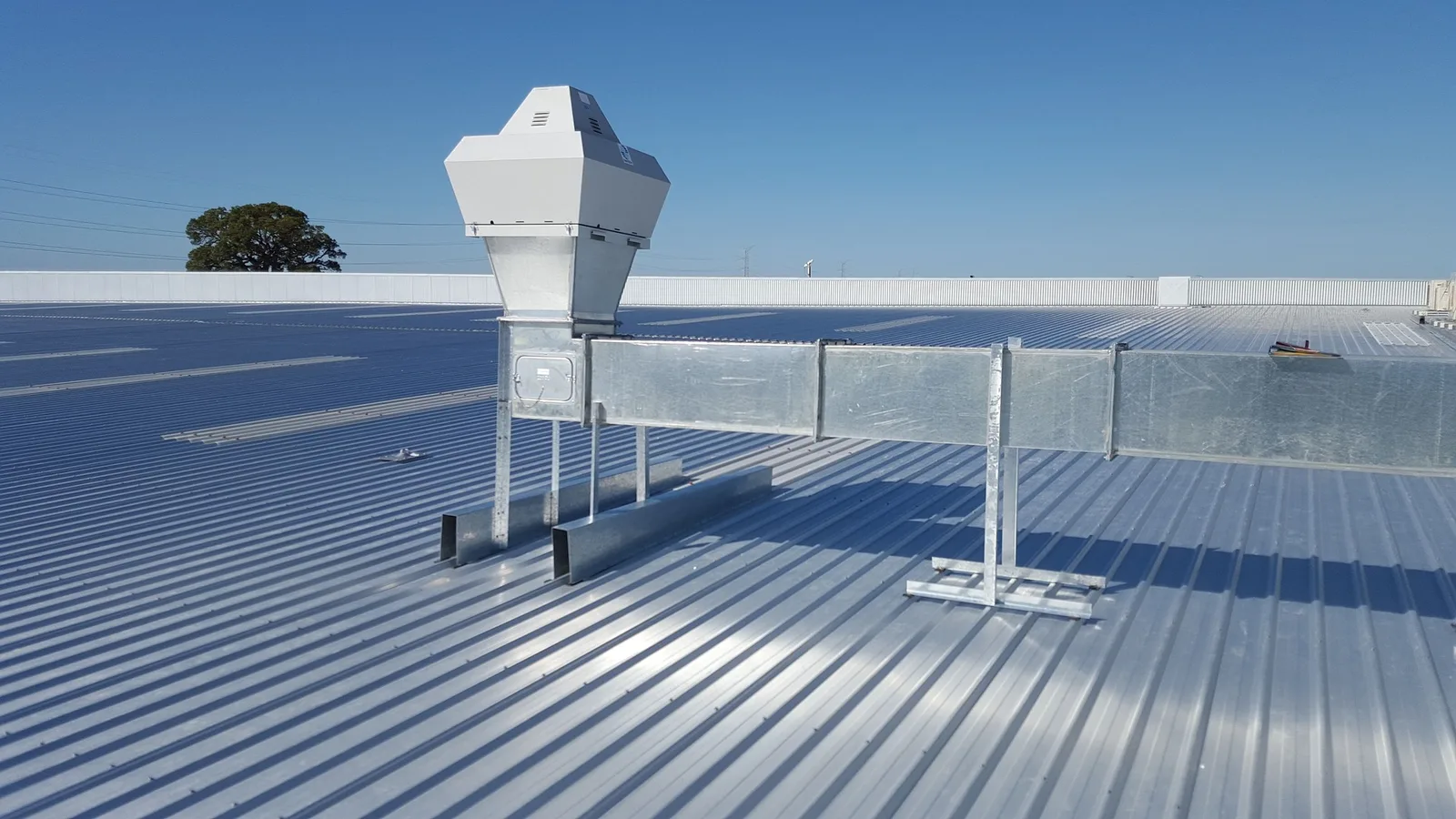
Flat commercial roof surface
Home/Commercial Roofing

Commercial roofing in Farmington, AR

Protect the building below the roof. Discuss leaks, drainage and repair or replacement choices with the roof system and business operations in view.

Good roof decisions start with the details.
Free roof inspections Repair and replacement help

Request a free roof inspection

Tell us about the property and what you need.

A commercial roof plan starts with the building

Water over a sales floor, office or tenant space needs a plan for the roof and the occupied rooms below it. The leak’s location, recent changes and existing system help orient the assessment; the repair itself needs to reach the actual roof failure.

We help Farmington building owners and property managers discuss commercial roof repair and replacement. A free roof inspection or roof walk can establish accessible condition and practical next steps. Low-slope membranes, metal sections and mixed roof assemblies need their own details checked.

Tell us about the building use, where water appears and any access restrictions. Rooftop equipment, tenants and loading areas can change how the work is staged, so those concerns belong in the first discussion.

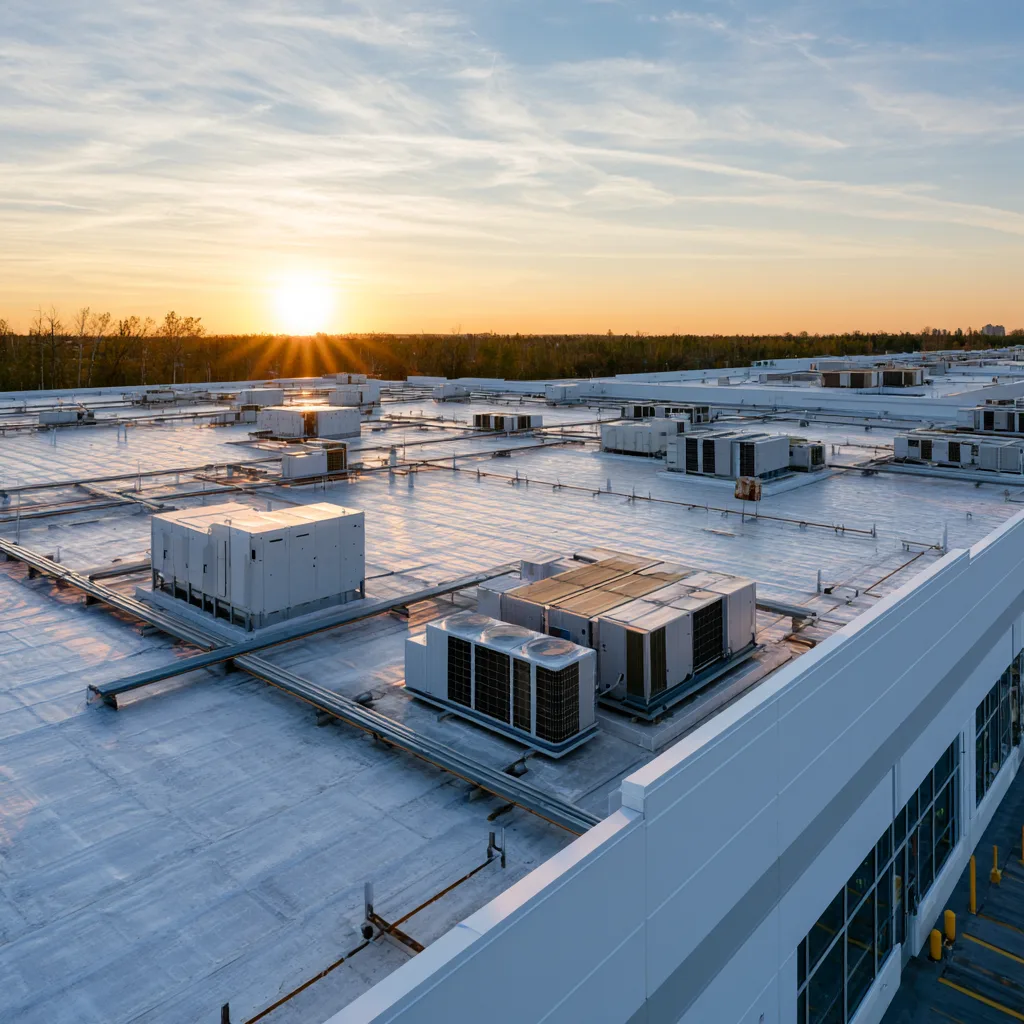
Low sun over a broad white commercial roof with mechanical units

Trace leaks through the commercial roof system

The membrane is the outer water barrier, but a leak can start at a seam, perimeter, drain or equipment curb. Water can travel through the assembly before it appears indoors. A surface patch above the ceiling mark can miss the entry point.

Insulation and the deck matter to the repair boundary. Wet insulation or damaged supporting material can need removal beyond the visible defect. The assessment should explain what was observed, where concealed condition remains unresolved and what investigation the scope requires.

A useful repair connects to sound, compatible material. The existing membrane type, age, attachment and previous patches affect whether a local repair can be joined correctly. System identification and condition come before selecting the repair product.

Look beyond the field membrane

  • Seams and penetrations

    Check laps, curbs and openings where the water barrier changes direction.

  • Underlying assembly

    Consider wet insulation, fastening and support where they affect the scope.

  • Perimeters and outlets

    Connect the edge and drainage details to the water path.

Low-slope roof systems and their repair questions

The existing system identifies the details to assess. Its material and condition determine which repair can connect properly.

Existing systemQuestions for the roof assessment
TPO or PVC single-plyAre seams, welds, attachments and penetration details sound, and can the repair join compatible membrane?
EPDM single-plyWhat is the condition of seams, flashings and adhesives, and what compatible repair detail fits the assembly?
Modified-bitumen or built-upAre laps, flashings and underlying layers sound, and does deterioration extend beyond the exposed defect?
Metal roofingAre fasteners, seams, movement joints and transitions shedding water as the system requires?
Existing coated roofIs the underlying roof sound and dry enough for restoration, and is a proposed coating compatible with the substrate?

System background: Carlisle building-owner resources. Checked October 2, 2026.

Commercial roof repair, restoration or replacement

A coating, a patch and a new assembly solve different conditions.

Repair or compatible restoration

A defined failure can be repaired where surrounding material and support remain sound. A restoration system can be considered when the existing roof is suitable, the proposed products are compatible and moisture or adhesion concerns have been resolved.

A coating cannot repair wet insulation or a weak deck by covering it. Preparation, drainage and the underlying assembly determine whether restoration is a workable scope.
Assembly replacement

Replacement deserves comparison when deterioration is widespread, moisture affects underlying layers or local repairs cannot connect to sound material. The proposal needs to establish removal, insulation and support work alongside the new water barrier.

A new roof also gives an opportunity to resolve drainage and equipment details. The scope should connect those changes to the observed condition and the building’s requirements.

Drainage and rooftop equipment shape the work

Low-slope roofing still needs a water path. Drains, scuppers and gutters must receive runoff from the roof area they serve. Debris, poor transitions or low spots can keep water against seams and details longer than intended.

Equipment curbs and pipe penetrations interrupt that path and the membrane around them. A leak near a unit may involve the curb flashing, a nearby seam or the equipment itself; roofing and equipment responsibilities need to be settled from the actual finding.

Discuss any proposed equipment change with the roof work. Moving or adding a unit can affect the supporting structure, access and warranty terms, as well as the new opening and its flashing.

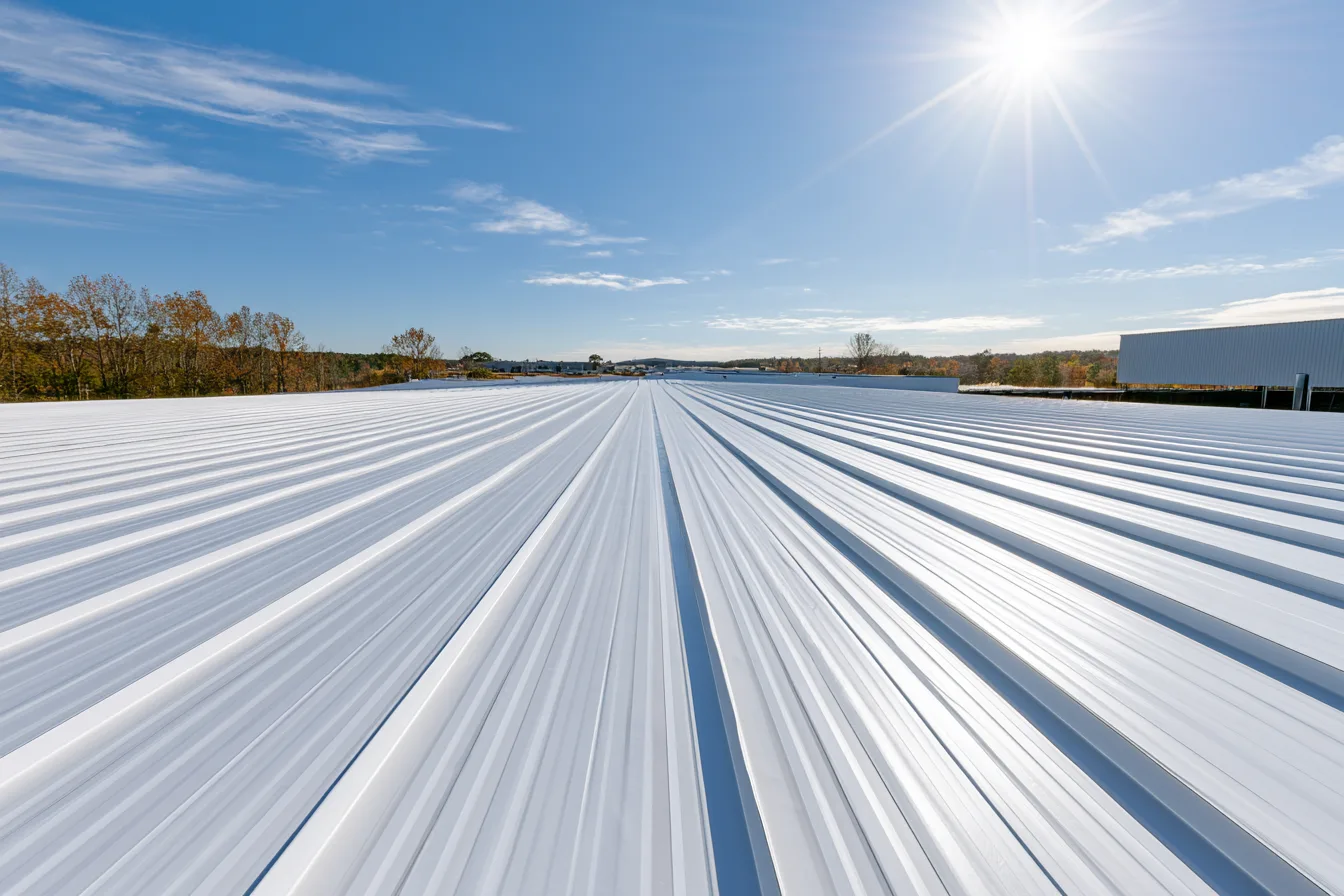
Flat commercial roof surface

Coordinate roofing with tenants and operations

Roof work needs a plan for people using the building.

1

Identify the affected rooms and access

Share leak locations, interior concerns and roof entry arrangements. Include tenants, loading doors or spaces that need protection.

2

Set the work boundary and staging

Discuss system condition, investigation, material movement and any equipment coordination. Decide how the roof will remain protected as work progresses.

3

Coordinate the building schedule

Settle the proposed work sequence and occupied areas with the contractor. Weather and concealed condition can change that sequence.

4

Keep responsibilities clear

The agreement needs the roof work, equipment interfaces, concealed-work approval and applicable written terms assigned to the responsible parties.

Commercial roofing FAQs

Can a leaking flat roof be repaired?

Yes, when the failure is defined and a compatible repair can join sound surrounding material. Wet insulation, damaged support or widespread deterioration can expand the scope or favor replacement.

Is a coating an alternative to replacement?

Sometimes. The existing system must be suitable and the proposed restoration compatible. Moisture, weak support, drainage and adhesion concerns need assessment before restoration is selected.

Can you discuss TPO or another existing membrane?

Include the known system in the request, or describe the roof if it is unknown. Identification, condition and the contractor’s matching system capability need to be established before a specific repair or installation is agreed.

Does the building have to close for roofing work?

That depends on the scope, access, interior protection and building use. Discuss occupied areas and operational constraints early so the work arrangement can be assessed.

What if the leak is beside an air-conditioning unit?

The roof curb, nearby seams and the equipment need their responsibilities distinguished. The indoor location alone does not establish which part failed.

Let’s discuss the roof and the building below it

Tell us about the building, leak concern and access needs. A free roof walk helps start a property-specific commercial roof plan.

  • Free roof inspections
  • Help with repair and replacement
  • Questions about your roof welcome

Tell us about your roof

Tell us about the property and what you need.

Call (479) 300-1263Free inspection